


How to Choose the Right IBC Valve for Safe Liquid Dispensing
Choosing the right IBC valve ensures safe, controlled liquid dispensing and prevents leaks, cross-contamination, and operational downtime. An incorrect valve can restrict flow, fail under pressure, or react with stored liquids. This guide explains how to select the correct valve for your IBC system and when replacement is necessary.
What Is an IBC Valve and Why Is It Important?
An IBC valve is the discharge control device fitted to the outlet of an intermediate bulk container. It regulates how liquid exits the tank and allows operators to control flow during transfer or dispensing.
An IBC tank valve performs three essential functions:
Controls liquid flow rate
Prevents unintended discharge
Maintains seal integrity at the outlet
In bulk liquid storage and industrial liquid dispensing, the valve is the final control point. A secure, compatible IBC outlet valve reduces spill risk and supports safe transfer into hoses, pumps, or secondary containers.
A faulty or mismatched valve increases the likelihood of leaks, thread damage, or poor sealing at the discharge point.
Common Types of IBC Valves Used in Liquid Storage
Most IBC systems use either ball valves or butterfly valves.
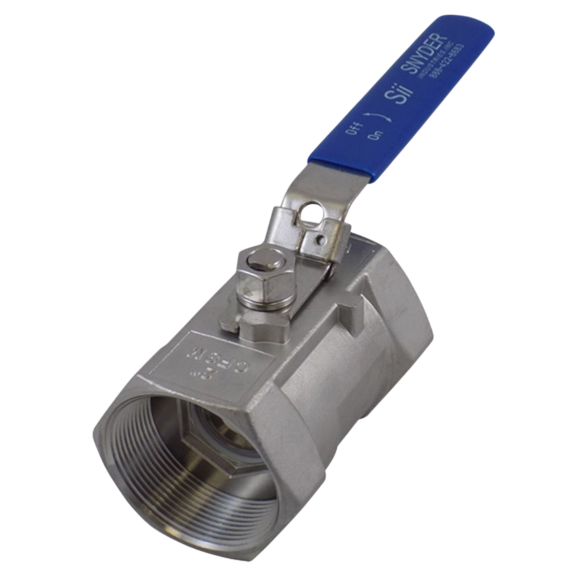
Ball valves use a rotating ball with a central bore. When aligned, liquid flows freely. When rotated 90 degrees, the flow stops. Ball valves provide reliable shut-off control and are widely used in chemical transfer equipment.
Butterfly valves use a rotating disc inside the valve body. They are suited to higher-flow applications where compact design and rapid operation are required.
Material selection is equally important. Polypropylene valves are commonly used for general industrial liquids. Stainless steel valves are preferred where higher chemical resistance, temperature tolerance, or durability is required.
Selecting the correct intermediate bulk container valve depends on the discharge method and operating environment.
Key Factors When Choosing the Right IBC Valve
Choosing the right IBC valve requires matching the valve to the liquid, tank outlet, and operating conditions.
Liquid compatibility
Valve material must resist corrosion and degradation from the stored liquid. Chemical incompatibility leads directly to seal failure or housing damage.
Outlet thread compatibility
IBC outlet fittings vary by manufacturer. Thread type and size must match the tank outlet to ensure proper sealing. Where adaptors or discharge components are required, compatible IBC accessories help maintain a secure, leak-resistant connection.
Flow rate requirements
High-volume dispensing may require larger bore valves. Restricted flow increases transfer time and reduces operational efficiency.
Seal integrity
Gaskets and seals prevent leakage. Worn or swollen seals compromise safe liquid handling.
Operating environment
Outdoor installations, high-use sites, or corrosive conditions require durable industrial IBC fittings designed for long service life.
Each of these factors directly affects safety, reliability, and compliance.
When Should an IBC Valve Be Replaced?
An IBC valve should be replaced when performance or sealing integrity declines.
Common indicators include:
Persistent dripping at the discharge point
Cracked or brittle valve housing
Damaged outlet threads
Stiff or restricted valve movement
Seal swelling or deterioration
Attempting temporary repairs often leads to repeated failure. When an outlet shows wear or leakage, it is safer to replace the IBC valve components promptly.
Routine inspection reduces spill risk and prevents unplanned downtime.
IBC Valves and Replacement Parts Available from Tank Management
At Tank Management Australia, we supply durable IBC valves designed for industrial liquid dispensing and bulk liquid storage systems. Our range includes plastic and stainless steel options suitable for agricultural, chemical, and commercial operations.
Selecting the correct IBC discharge valve improves safety, reduces leaks, and protects your operation from avoidable handling risks. If you are unsure which valve suits your application, visit Tank Management Australia to speak with our team about matching the correct fitting to your tank and liquid type.
Frequently Asked Questions
1. How do you choose the right IBC valve?
Match the valve to the liquid type, required flow rate, tank outlet thread, and operating conditions to ensure safe and reliable dispensing.
2. Are IBC valves universal?
Many IBC valves follow common outlet standards, but thread sizes and fittings vary by manufacturer. Always confirm compatibility before installation.
3. Why are IBC valves important for safe liquid handling?
IBC valves control liquid discharge, prevent unintended flow, and maintain seal integrity during bulk transfer.
4. What industries commonly use IBC valves?
Agriculture, manufacturing, chemical storage, food production, and industrial liquid handling operations rely on IBC tank outlet valves for controlled dispensing.


 Previous article