


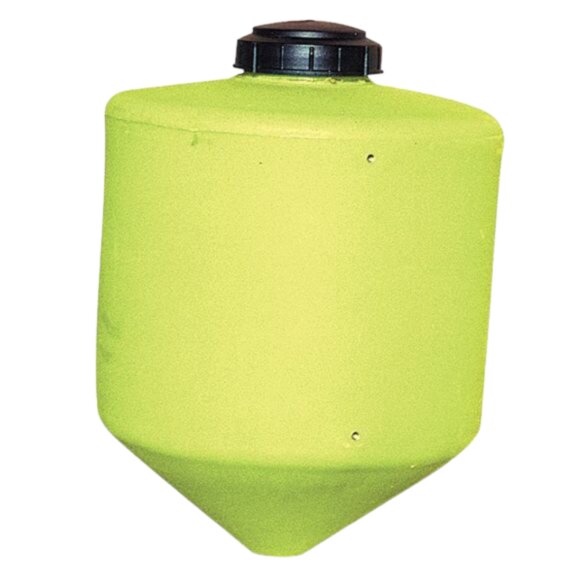
Water Transport Tanks: How to Choose, Use and Maintain the Right Tank
Water transport tanks keep operations moving across some of Australia's most demanding environments. Whether it's keeping stock watered on a remote property, suppressing dust on a mining haul road, supporting a construction site, or providing rapid water access for firefighting, the tank you choose and how you set it up determines how reliably it performs.
What Are Water Transport Tanks Used For?
A water transport tank is a purpose-built container designed to carry water on a vehicle, typically mounted on a ute tray, trailer, or truck. Unlike static storage tanks, they're engineered to handle the vibrations, impacts, and shifting loads that come with regular road and off-road use.
The most common applications are livestock watering in areas without reliable natural water access, dust suppression on construction and mining sites, general site water supply for civil works, and firefighting support in rural and semi-remote areas. The right tank for each of these jobs differs in capacity, material, mounting requirements, and fittings.
Choosing the Right Tank and Capacity for Your Vehicle
Tank selection starts with intended use, but it doesn't end there. The combined weight of the tank, the water it carries, any accessories, and other loads on the vehicle must stay within the vehicle's gross vehicle mass and axle load limits. A litre of water weighs one kilogram, so even a modest 500-litre tank adds half a tonne to the load before you factor in the tank itself or any pump and hose kit.
Tank dimensions matter as much as capacity. A tank that fits the tray physically but shifts the vehicle's centre of gravity too high or too far back will affect handling, regardless of whether it's within payload limits. Polyethylene is the most common material for water cartage tanks because it's lightweight, UV-stabilised, impact-resistant, and suitable for potable water applications. The right capacity for your setup depends on your specific vehicle, payload, and water requirements rather than a general rule.
Browse the full range ofwater cartage tanks to compare capacities and configurations available from Tank Management Australia.
Baffles, Mounting and Safe Water Transport
Water moves. When a full or partially filled tank brakes, corners, or hits rough ground, the liquid shifts and that shift affects vehicle stability. Internal baffles, including ball baffle systems, reduce this liquid surge by interrupting the momentum of water moving inside the tank. They improve braking performance, reduce sway, and make the vehicle more predictable to drive, particularly on unsealed roads.
Baffles help, but they don't replace proper mounting and load restraint. A tank needs to be secured to rated tie-down points using appropriate hardware, positioned to distribute weight evenly across the vehicle's axles, and checked regularly to confirm mounts and straps haven't loosened with vibration. A tank that shifts under load creates a serious safety risk regardless of whether it's baffled.
Before installing any tank, confirm the vehicle's GVM and check that the total load, including the tank, water, accessories, and anything else on the vehicle, stays within those limits.
Pumps, Fittings and Tank Maintenance
A tank is only part of the setup. Pumps, hoses, valves, and fittings determine how effectively water is delivered and how safely the system operates day to day. Connections should be rated for the application, checked regularly for wear, and replaced at the first sign of deterioration. A slow drip from a fitting that's worked loose is easy to overlook and easy to fix early. Left unchecked, it leads to corrosion, mount damage, and water loss at the wrong moment.
For drinking water applications, the tank, hoses, and all fittings in contact with the water need to be suitable for potable use. Cleaning and sanitising protocols matter too. A tank used for livestock watering one season and drinking water supply the next needs to be properly prepared before the switch.
Routine maintenance keeps the system reliable. Regular visual checks of the tank body for cracks or UV degradation, inspection of mounts and tie-downs, and cleaning to prevent sediment or algae buildup extend tank life and reduce the chance of a failure in the field. Following the manufacturer's maintenance schedule is the baseline. The relevantwater tank accessories, including level gauges, filters, and hose fittings, should be inspected and serviced on the same schedule as the tank itself.
Water Cartage Tanks at Tank Management Australia
Tank Management Australia stocks a range of water cartage tanks for ute, trailer, and truck-mounted applications, along with pumps, hoses, and accessories to complete the setup.Explore the tank range or get in touch with the team to find the right fit for your vehicle and setup.
Frequently Asked Questions
What is the difference between a water transport tank and a water cartage tank?
The terms are often used interchangeably and both describe tanks designed to carry water on vehicles. Suitability for a specific application depends on the individual tank's design, material, capacity, and specifications rather than the label used to describe it.
How do I choose the right size water transport tank?
Selection depends on how much water the job requires, the available payload on the vehicle, the physical dimensions of the mounting area, and the combined weight of the tank, water, accessories, and other loads. Staying within the vehicle's gross vehicle mass and axle limits is the non-negotiable starting point.
What do baffles do in a water transport tank?
Internal baffles reduce liquid movement and surge during braking, cornering, and travel over rough ground. This improves vehicle stability and reduces stress on the mounting system. They assist safe transport but don't replace proper load restraint and secure mounting.
Can water transport tanks carry drinking water?
Yes, provided the tank, hoses, and fittings are all suitable for potable water. Tanks used for drinking water applications should be cleaned and maintained according to the manufacturer's instructions, and any change of use from non-potable to potable applications requires thorough preparation of the tank and all components.
How should a water transport tank be maintained?
Regular checks of the tank body for cracks, UV damage, or leaks, inspection of mounts and tie-downs, and cleaning to prevent sediment and algae buildup are the basics. Pumps, valves, hoses, and fittings should be inspected at the same time. Follow the manufacturer's maintenance schedule and address any wear or damage before it becomes a failure in the field.


