


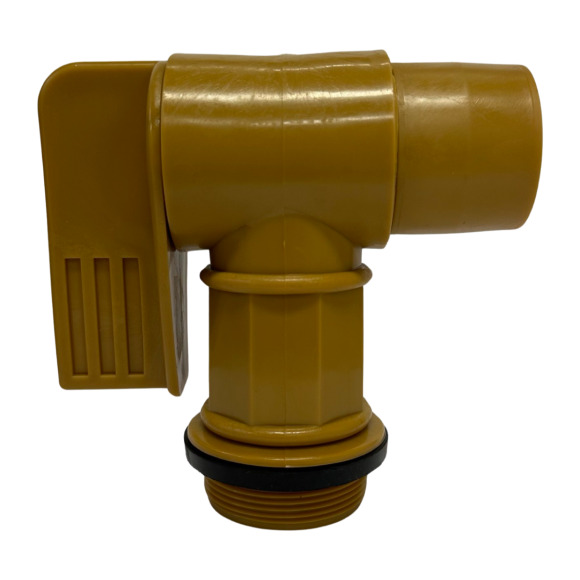
Common IBC Valve Problems and How to Fix Them
Your IBC is doing its job, storing and moving bulk liquids, until the valve isn't. A leaking or seized valve can mean spills, contamination, downtime, and in some cases a dangerous goods incident. The good news is that most IBC valve problems are predictable, and most can be sorted without calling in a specialist.
Here's what to look for and what to do about it.
What Goes Wrong with IBC Valves
The most common problems people run into are leaks at the valve body or outlet, a valve that won't open or close properly, thread damage from cross-threading during fitting changes, and slow or restricted flow that points to a blockage or sizing mismatch. These issues don't usually appear out of nowhere. Most are the result of chemical exposure, physical wear, incorrect fittings, or maintenance that gets put off a bit too long.
Why IBC Valves Leak or Fail
Chemical degradation is one of the leading causes of early valve failure, and it's often overlooked. Not every valve material suits every liquid. Running aggressive chemicals or solvents through a valve rated for water or mild liquids will break down the seals and valve body faster than expected. Before selecting a valve for chemical transfer applications, it's worth checking compatibility between the liquid and the valve material, not just the IBC itself.
UV exposure is another one that catches people out, particularly in outdoor storage setups. Plastic valve components aren't immune to sun damage. UV stabilisation helps, but prolonged exposure without covers will eventually make the plastic brittle and prone to cracking at the worst possible moment.
Overtightening is a reflex most operators have when they spot a drip, but cranking down harder on fittings or adapters usually makes things worse. It can crack the valve housing or distort the seal, turning a minor leak into a replacement job.
Beyond those, general wear is unavoidable. Seals have a service life, and in high-use industrial liquid storage environments, they deteriorate faster than people expect. Incorrect fittings compound the problem. Thread compatibility between valves, adapters, and camlock fittings matters more than it gets credit for. Mixing thread standards or using the wrong fitting size puts stress on the valve connection every time the IBC is used.
How to Fix a Leaking IBC Valve
Before you do anything, drain or isolate the IBC if possible, especially if you're handling chemicals or dangerous goods.
1. Identify Where the Leak Is Coming From
Is it the seal between the valve and the IBC outlet? The valve body itself? Or the connection between the valve and a hose or fitting? Knowing where helps you avoid replacing parts that don't need it.
2. Check the Seal First
A worn or swollen gasket is the most common culprit. Remove the valve, inspect the seal, and replace it if it's flattened, cracked, or deformed.
3. Inspect the Threads
If the outlet or fitting threads are damaged, replacing the seal alone won't hold. You'll need to replace the valve, and possibly the IBC outlet fitting too.
4. Confirm Fitting Compatibility
If you're using camlock fittings or IBC adapters, make sure they're the right size and thread type for your valve. Mismatched fittings are a common cause of persistent slow leaks.
5. Reinstall or Replace
If the valve body and threads are sound, reinstall with a new seal and tighten to hand-tight plus a quarter turn, no more. Many plastic IBC valves can be swapped at the outlet without specialised tools. Stainless steel IBCs have different outlet configurations, so check your tank specs before sourcing a replacement.
Choosing the Right IBC Valve and Fittings
The valve you choose needs to match the liquid you're handling, not just the IBC outlet it screws into. Water transfer valves aren't built for chemical transfer, and using one in the wrong application shortens its life considerably. If you're handling solvents, food-grade liquids, or dangerous goods, you need a valve rated for that specific use.
Thread compatibility is worth confirming before you order anything. Most plastic IBCs use a standard 2" BSP outlet, but not all, and the thread compatibility between the valve, any IBC adapters, and downstream fittings needs to be consistent end-to-end. One mismatch in the chain and you're back to chasing leaks.
Flow rate is another consideration that often gets ignored until it becomes a problem. A standard butterfly valve works fine for most applications, but if your operation depends on fast, high-volume liquid dispensing, a larger bore valve designed for bulk liquid handling will make a genuine difference to efficiency.
If your setup already uses camlock fittings elsewhere, it makes sense to stay consistent. Valves and adapters that are camlock-compatible make connections faster, safer, and easier to manage across the whole operation. Tank Management Australia stocks valves for both plastic IBCs and stainless steel IBCs, along with the fittings and adapters to suit most applications.
When to Replace Rather Than Repair
A leaking valve isn't always worth chasing with a new seal. If the valve body is cracked or visibly deformed, the threads are stripped, the valve has been exposed to a chemical it wasn't rated for, or it's still weeping after a second seal replacement, the repair cycle is costing more time than a replacement would. The same goes for older valves where parts are no longer readily available.
Replacement valves are generally inexpensive relative to the cost of a spill, a contaminated batch, or a failed compliance inspection. If you're not sure what you need or want to check what's available, we at Tank Management Australia carry a full range of IBC valves, fittings, and accessories for both plastic and stainless steel containers.
Frequently Asked Questions
Why is my IBC valve leaking?
The most common causes are a worn seal, damaged threads, or a fitting that isn't compatible with the valve outlet. Check the seal first. If the threads are stripped or the valve body is cracked, replacement is the better call.
Can I replace an IBC valve myself?
Yes, in most cases. Plastic IBC valves typically unscrew from the outlet by hand or with a strap wrench. Make sure the replacement matches the thread type and outlet size of your IBC before ordering.
What causes IBC valve failures?
Chemical exposure, UV degradation, overtightening, physical damage, and wear over time. Seals deteriorate with use, so regular inspection as part of routine IBC maintenance will catch most problems early.
How do I choose the right IBC valve?
Match the valve to the liquid being handled, confirm thread compatibility with your IBC outlet and downstream fittings, and factor in flow rate requirements. If you're using camlock fittings elsewhere in your setup, choose valves and adapters that are camlock-compatible.
Are camlock fittings compatible with IBC valves?
Many IBC valve systems work with camlock fittings via a camlock adapter at the valve outlet. This is common in industrial and agricultural bulk liquid handling where quick, secure connections between IBCs and hoses or pumps are needed. Confirm the adapter thread matches your valve before purchasing.
.


 Previous article