


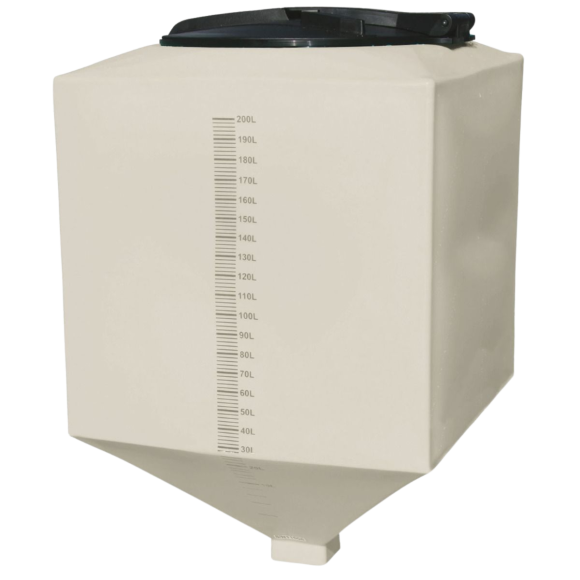
Chemical Rinse Bins & Rinsing Best Practices — Meeting ADG Compliance Standards
Proper chemical rinsing is critical for businesses that handle hazardous liquids. Whether you're transporting, storing, or disposing of chemicals, failing to follow best practices can lead to safety risks, environmental breaches, and costly non-compliance penalties. This guide explains how our chemical rinse bins, processes, and services help meet the Australian Dangerous Goods (ADG) Code while supporting sustainable, safe chemical handling.
Why Chemical Rinsing Matters for Safety & ADG Code Compliance
Rinsing isn’t just a procedural step — it’s a regulatory requirement and safety necessity. Triple-rinsing empty chemical containers and tanks prevents cross-contamination between loads, reduces the risk of dangerous chemical reactions, and ensures compliance with the ADG Code, which governs the safe transport of hazardous goods.
For any business handling dangerous goods in Australia, the ADG Code mandates that containers be residue-free before reuse or disposal. This is enforced under state laws, such as Queensland’s Transport Operations Regulation. Failure to comply can result in heavy penalties, legal liabilities, or environmental harm.
Selecting the Right Chemical Rinse Bin for Your Operation
Choosing the correct rinse bin is essential for both compliance and efficiency. Our chemical rinse bins are designed with ADG requirements and real-world conditions in mind. Here’s what to look for:
Durable construction: High-density polyethylene resists corrosion from a wide range of chemicals.
Sealed lids: Prevent splashing, evaporation, and exposure.
Forkliftable bases: Make transport and handling safe and efficient.
Triple-rinse ready: Compatible with high-pressure nozzles and rinse systems.
Chemical resistance: Suits acids, solvents, and common agricultural and industrial liquids.
These bins simplify rinsing while reducing contamination risk in line with environmental regulations.
Triple-Rinsing Process: The Industry Best Practice
Triple-rinsing is the globally recognised method for decontaminating used chemical containers. Here’s a simple breakdown:
Empty the container completely.
Fill approximately one-quarter with clean water or appropriate solvent.
Agitate by shaking, swirling, or rolling the container.
Drain the rinsate into an approved containment or spray system.
Repeat this process two more times.
This process removes 99.99% of residues and supports ADG compliance for transport or disposal.
Reuse vs Recycling: What Happens After a Chemical IBC Is Rinsed?
Once triple-rinsed, there are two safe disposal pathways:
Reuse: Send the IBC for professional inspection and reconditioning. If cleared, it can be reused for non-hazardous liquids.
Recycle: Polyethylene components can be shredded, washed, and repurposed into new industrial products — contributing to sustainability goals.
We support responsible reuse where safe and offer recycling for end-of-life containers, helping reduce waste and environmental impact.
IBC Collection & Disposal: Safe Options for Used Containers
We offer IBC collection services across Australia, managing the full disposal lifecycle — from pickup to reconditioning or recycling. This includes:
Inspection and cleaning of reusable units
Responsible disposal of damaged or expired containers
Documentation support for compliance and tracking
Whether you operate on a mine site or in a regional area, we make it easy to stay compliant and environmentally responsible.
Why Buy Rinse Bins From Tank Management?
We don’t just sell rinse bins — we provide fully integrated solutions for safe chemical handling and disposal. Our bins are designed for durability and compliance, made from robust polyethylene, and offered with optional galvanised frames for added mobility. We also stock accessories and compatible components to suit your operations.
As an Australian-owned provider, we support your compliance needs with local expertise, fast delivery, and practical advice.
Visit our Homepage to explore our full range of chemical handling accessories, or get in touch for tailored support.
FAQs
1. How do chemical rinse bins help with ADG Code compliance?
They provide a sealed, designated space for decontaminating and safely storing used chemical containers, supporting safe residue handling in accordance with ADG regulations.
2. What is the triple-rinsing method?
It’s a three-stage rinse process that ensures over 99% of chemical residue is removed from drums or IBCs using agitation and drainage, repeated three times.
3. Can rinsed IBCs be reused?
Yes — once triple-rinsed and verified clean, IBCs may be reused for non-hazardous liquids or returned for reconditioning by professionals.
4. How do I safely dispose of chemical residues?
Collect residues in approved containment systems and use licensed disposal providers. We offer both collection and expert guidance to help you stay compliant.


 Previous article